Who we are

You are here:
mepa_off
who_we_are_logo

The Marine Environment Protection Authority

MEPA

The Marine Environment Protection Authority abbreviated MEPA is the apex body established by the Government of Sri Lanka, under the provisions of Marine Pollution Prevention Act No.59 of 1981, which was later repealed and replaced by Marine Pollution Prevention Act No.35 of 2008. MEPA is presently under the purview of the Ministry of Environment and is entrusted with the sole responsibility of preventing, controlling, reducing and managing the pollution of Sri Lanka’s marine environment. We are also responsible for the enforcement of the above enactment.

Vision

A healthy coastal and ocean environment for future generations.

Mission

Be the guardian of the coastal and ocean environment by means of awareness, research, public participation, national, regional & international coordination, prompt actions, and enforcement.

History

In the beginning, the authority which was established in 1991 under the provisions of Marine Pollution Prevention (MPP) Act No 59 of 1981, was called Marine Pollution Prevention Authority (MPPA) and was under the purview of the Ministry of Port and Shipping until 1994. However, with the passage of time, in order to meet the growing challenges in marine pollution prevention in Sri Lanka, caused due to global advancements of economic development activities, the prevailed MPP Act No 59 of 1981 was repealed and replaced by Marine Pollution Prevention Act No. 35 of 2008. One significant change introduced with the Act, which was made effective from January 1st, 2009, was the renaming of MPPA as Marine Environment Protection Authority (MEPA). This Act has strengthened the law enforcement capabilities of the Authority in order to deal with any Act of marine environment pollution in a more effective and efficient manner.

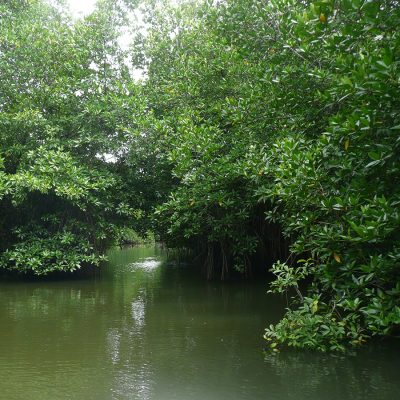
MANGROVE_WHO_WE_ARE

164

Staff

34

Years of experience

1000+

Projects

The Authority has been under purview of various ministries since 1991

1991
Ministry of Port and Shipping
1994
Ministry of Port Development and Rehabilitation & Reconstruction
2001
Ministry of Port & Southern Development
2002
Ministry of Fisheries & Ocean Resources
2004
Ministry of Environment
2009
Ministry of Environment and Natural Resources Protection
2010
Ministry of Environment
2015
Ministry of Mahaweli Development and Environment
2019
Ministry of Environment and Wildlife Resources
2020
Ministry of Urban Development and Housing
2025
Ministry of Enviornment

Functions and Responsibilities of MEPA

Efficient Administration of Marine Protection Laws

Implementing the provisions of the Marine Environment Protection Act with precision and effectiveness.

Collaborative Research for Pollution Prevention

Conducting joint research initiatives for the prevention and management of pollution from ship-based activities.

Cutting-Edge Port Waste Reception Facilities Providing state-of-the-art facilities

Providing state-of-the-art facilities for the reception of port waste, including oil, harmful substances, and pollutants.

National Contingency Plan for Pollution

Formulating and implementing a comprehensive national plan to swiftly address pollution incidents.

Collaborative Research for Pollution Prevention

Conducting joint research initiatives for the prevention and management of pollution from ship-based activities.

Lesser-known coastal pollutants factors

Our coastlines are rich ecosystems that support migrating birds, a variety of marine life, and flourishing communities. However, they are becoming more and more endangered by less obvious types of disturbance, such as light, sound, and visual pollution, in addition to obvious trash and chemical pollution.

We at the Marine Environmental Protection Authority (MEPA) are dedicated to bringing attention to these frequently disregarded dangers and encouraging measures to safeguard the wellbeing of our coastal ecosystems.

The presence of unattractive man-made structures, colours, trash, signs, and modifications that diminish the natural beauty of coastal environments is referred to as visual pollution.

Effect on Environments Along the Coast:

  • Habitat Disruption: Important habitats for marine and shoreline animals are broken up by rubbish piles, abandoned boats, and excessive coastal developments.
  • Decreased Biodiversity: Sensitive species are deterred from living in or visiting contaminated places by aesthetic deterioration, which frequently results in habitat loss.
  • Economic Repercussions: Tourism, a major source of income for many coastal areas, can be adversely affected by unsightly coasts.

Excessive or poorly directed artificial light that illuminates the night sky and interferes with natural cycles and animal behaviors is known as light pollution.

Effect on Environments Along the Coast:

  • Wildlife Disorientation: For instance, the arrival and directing of mother turtles, the determination of the sex on the light, Furthermore, hatchling sea turtles depend on natural light signals to get to the ocean. When hatchling after hatchling came out from the nest, they are misdirected by the artificail lights, and they perished rather than oriented towards the ocean.
  • Ecosystem Disruption: For eating, mating, and migration, a variety of marine and coastal species, including fish and birds, depend on natural light patterns. These essential functions can be interfered with by light pollution.
  • Energy Waste: In addition to endangering wildlife, inefficient lighting fuels climate change and higher carbon emissions.
  • Artificial lights attract the insects to the restaurants and it’s a nuisance specially on food services.

Human-generated noise that disrupts the natural acoustic environment, such as that produced by high sound beach parties, ships and boats, construction, industry, and recreational watercraft, is referred to as sound pollution.

Effect on Environments Along the Coast:

  • Stress and Behavioral Shifts: Fish, whales, dolphins, and other marine creatures utilize sound to communicate, navigate, and identify potential threats. Stress, confusion, and alterations in migratory patterns can result from increased underwater noise.
  • Decreased Reproductive Success: Prolonged exposure to noise can disrupt mating habits, communication styles, and reproduction-related interactions.
  • Habitat Abandonment: Prolonged noise pollution may force certain species to permanently abandon otherwise healthy environments.

At MEPA, we think that the best way to protect our coastal treasures is via community action, sustainable development, and education.

This is how you can assist:

  • Encourage low-impact coastal development that preserves the integrity of the environment and its natural beauty.
  • When lighting near beaches, use low-intensity, shielded fixtures and downward-facing lights as part of safe lighting practices.