
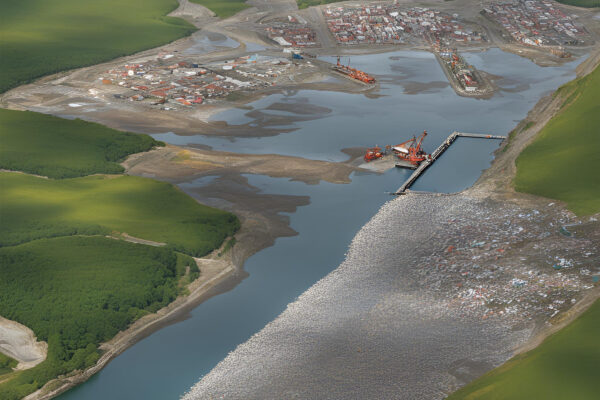
Issuance of permits for dumping at sea
Hotels, industries, and condominiums situated within the coastal zone or near the sea, as well as any activities that involve dumping into the sea, must apply for a Sea Dumping Permit.

Hotels, industries, and condominiums situated within the coastal zone or near the sea, as well as any activities that involve dumping into the sea, must apply for a Sea Dumping Permit.
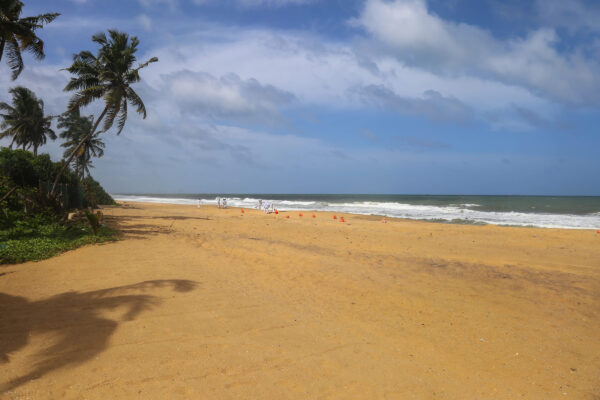
As per Section 40 of the Marine Pollution Prevention Act No. 35 of 2008, any person intending to conduct or engage in the exploration of natural resources, including petroleum or any related activity, must comply with the provisions of the regulations established for this purpose.
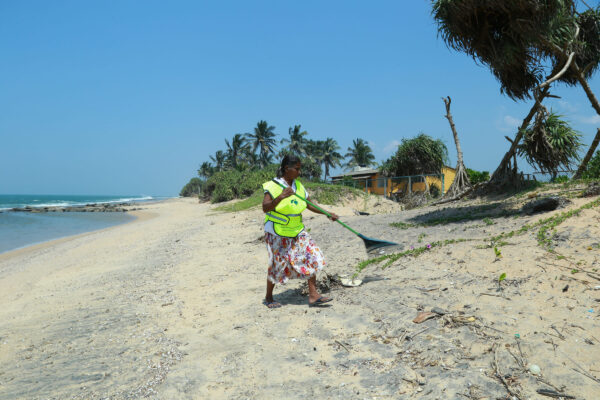
The Marine Environment Protection Authority (MEPA) has implemented immediate measures to combat beach pollution through various initiatives, including the establishment of Beach Caretaker programs.
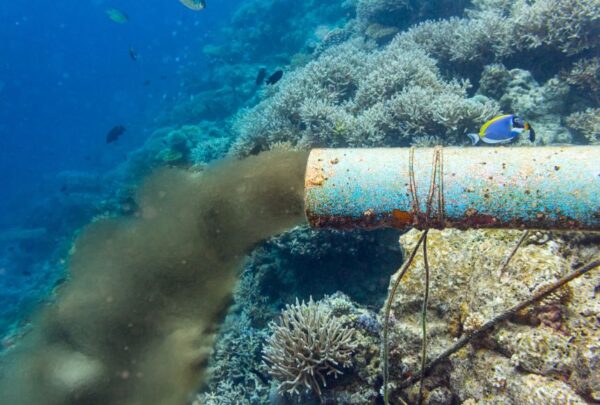
Bunkering is the process of supplying fuel to ships for their operational needs. As a high-risk operation, it demands utmost care and vigilance to prevent accidents such as fires or oil spills, which could have severe environmental and economic consequences.
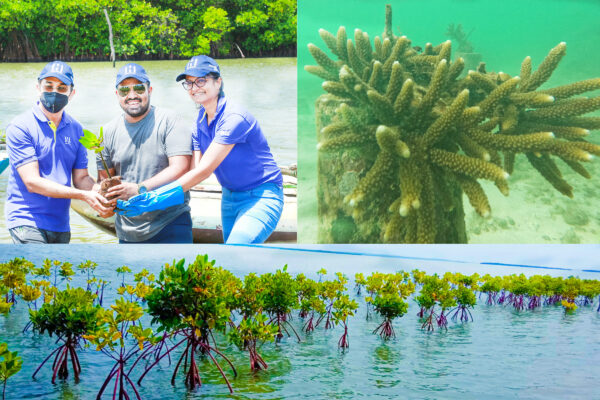
Ecosystem restoration is the process of assisting the recovery of ecosystems that have been degraded, damaged, or destroyed.
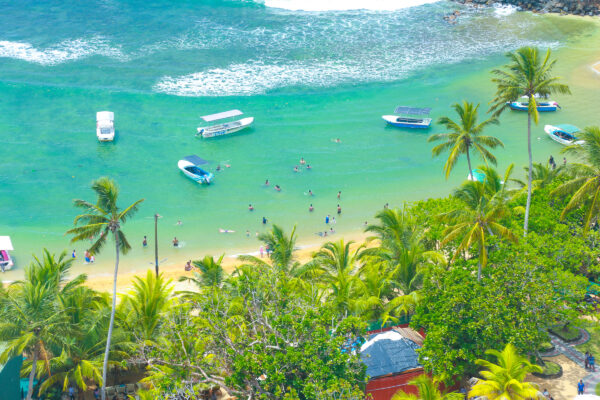
The Blue Flag beach concept is a well-known eco-label awarded by the Foundation for Environmental Education (FEE) in Denmark. This prestigious certification is granted to beaches that meet 33 criteria across four main themes
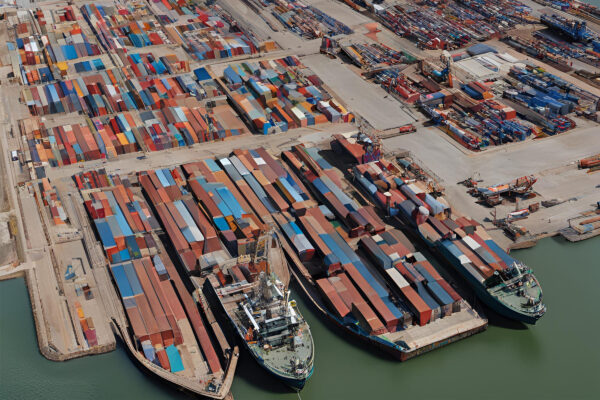
As a member country of the International Convention for the Prevention of Pollution from Ships (1973/78), Sri Lanka, through Section 21 of the Marine Pollution Prevention Act No. 35 of 2008, has mandated the Marine Environment Protection Authority (MEPA) to provide a waste reception facility for ships.
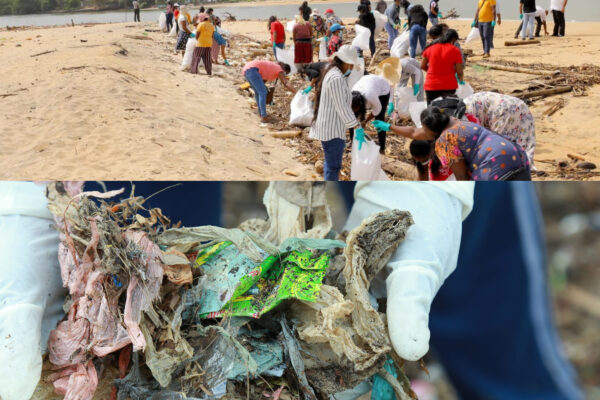
The coastal zone of a country encompasses not only beaches but also diverse marine ecosystems and habitats teeming with rich biodiversity.